Tracing Transaction Networks Behind Accumulating Rewards in Remote Entertainment Systems
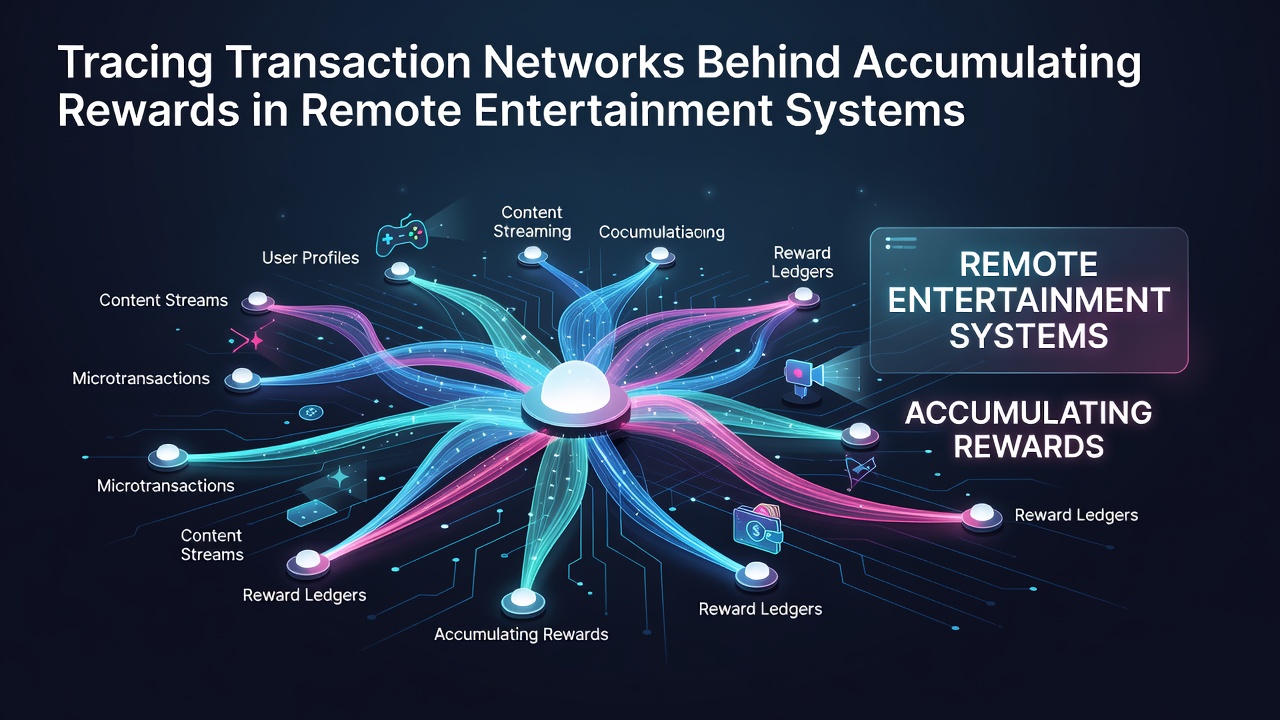
Transaction networks in remote entertainment systems connect player deposits directly to reward accumulation mechanisms through layered payment channels and data protocols; these pathways allow operators to track how funds move across digital platforms while distributing bonuses and loyalty points. Observers note that June 2026 has seen increased scrutiny from regulators in multiple regions as remote entertainment continues expanding beyond traditional casino formats into interactive streaming and hybrid gaming environments.
Core Components of Transaction Flows
Payment processors form the backbone of these networks where each deposit initiates a traceable sequence that links user accounts to reward ledgers. Data shows that systems often employ multi-hop routing so initial transactions pass through intermediaries before reaching central reward servers. Researchers discovered that this architecture helps maintain compliance records while enabling real-time bonus calculations based on activity volume and frequency.
Wallet integration plays a central role because digital wallets aggregate multiple transaction types into single user profiles. Studies indicate that operators rely on standardized APIs to pull transaction histories and calculate reward eligibility without manual intervention. Those who've examined these setups find that timestamp synchronization across nodes prevents discrepancies that could disrupt point accumulation during peak usage periods.
Network Mapping Techniques in Practice
Analysts use graph-based models to visualize connections between deposits, withdrawals, and reward triggers across distributed servers. One study revealed that clustering algorithms identify patterns where repeated small transactions feed into larger reward pools more efficiently than sporadic high-value moves. This approach lets platforms adjust incentive structures dynamically based on observed flow densities rather than static rules.
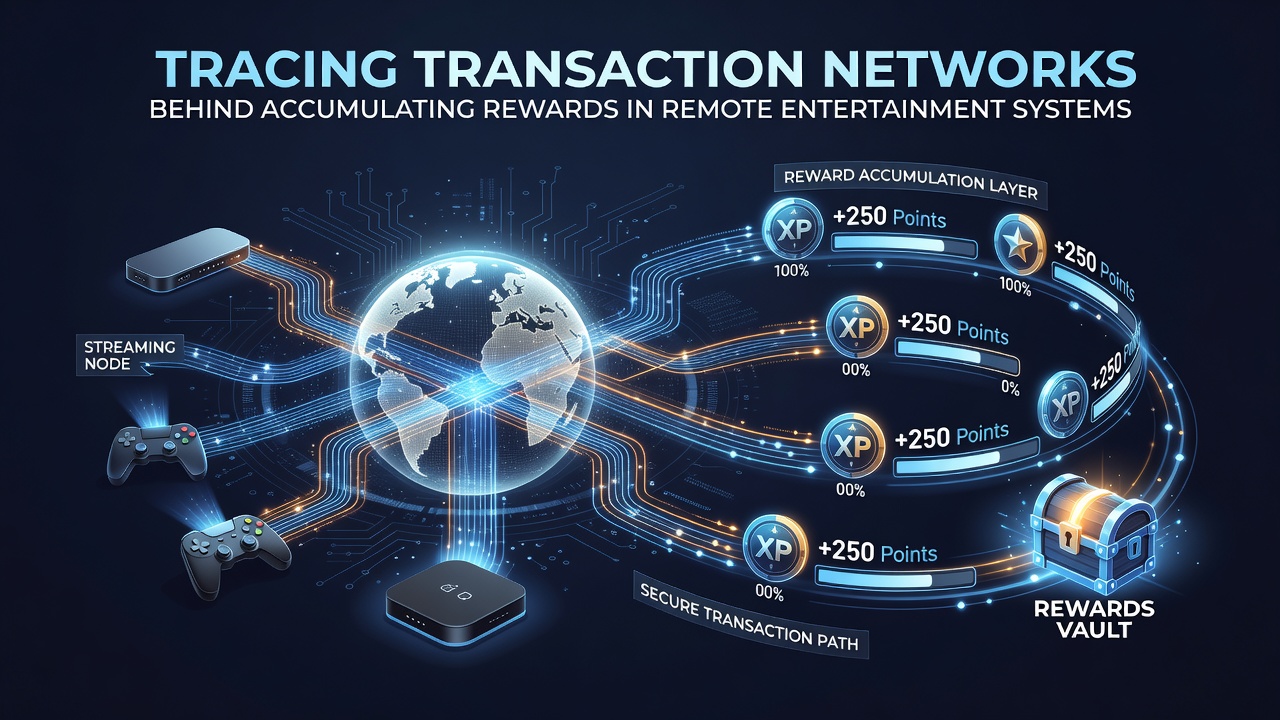
Blockchain elements appear in some newer implementations because immutable ledgers provide verifiable trails for every reward credit issued. Figures from industry reports show adoption rates rising in jurisdictions that require enhanced audit trails for remote entertainment operators. What's interesting is how these distributed records reduce reconciliation time between payment gateways and loyalty databases during monthly reporting cycles.
Regulatory Influences on Network Design
Authorities such as the European Gaming Regulators Forum have issued guidelines that shape how transaction data must be retained and accessible for oversight. These requirements encourage operators to build modular networks capable of exporting detailed flow reports without exposing unrelated user information. Data indicates compliance costs influence architecture choices especially when cross-border transactions introduce additional verification layers.
Similar standards from the Australian Communications and Media Authority emphasize transparency in reward calculation formulas tied to transaction histories. Observers note that platforms operating in these markets often implement segmented databases so reward engines can query transaction subsets independently from full financial records. This separation supports both operational speed and regulatory audits conducted at regular intervals.
Technical Challenges in Reward Tracing
Latency issues arise when high volumes of concurrent transactions strain network nodes that feed reward systems. Engineers address this through load balancing and predictive caching that anticipates common activity patterns during live events or promotional windows. Research indicates that optimized routing reduces the average time between deposit confirmation and reward credit appearance to under three seconds in mature deployments.
Data integrity checks form another critical layer because corrupted transaction logs can lead to incorrect reward distributions. Automated reconciliation scripts compare multiple independent records at set intervals to flag anomalies before they affect user balances. Those monitoring these processes report that machine learning models now assist in predicting which transaction clusters are most likely to generate discrepancies under varying load conditions.
Future Directions for Network Analysis
Emerging tools focus on real-time visualization dashboards that allow operators to monitor reward accumulation across global user bases. These interfaces aggregate data from multiple payment rails into unified views that highlight bottlenecks or underperforming pathways. Evidence suggests continued investment in such analytics will become standard as remote entertainment systems scale further in 2026 and beyond.
Conclusion
Transaction networks supporting reward accumulation in remote entertainment systems rely on interconnected payment channels, graph analysis methods, and regulatory-compliant data structures. Current developments in June 2026 reflect ongoing refinements driven by both technological capabilities and oversight demands from diverse jurisdictions. Continued mapping and optimization of these flows remain central to maintaining accurate and efficient reward delivery across expanding digital platforms.