Payment Networks Shaping Reel Dynamics and Live Interactions in Mobile VIP Environments
 Payment networks determine the pace at which reel spins register and resolve on portable devices while also dictating how quickly real-time dealer sessions synchronize with player inputs in VIP configurations. Transaction routing protocols, settlement times, and authorization layers create measurable differences in spin frequency and interaction latency across mobile platforms. Observers note that faster payment rails allow more spins per minute in high-tier accounts, whereas slower verification steps introduce pauses that shift the overall rhythm of play. Data from the Nevada Gaming Control Board shows variations in average session lengths tied directly to the payment methods selected by users in regulated markets. Network architecture influences both mechanical outcomes and social elements of portable VIP play. When a transaction clears in under two seconds, reel cycles maintain continuous momentum; delays beyond five seconds often trigger automatic session buffers that pause autoplay functions. Researchers tracking mobile traffic patterns find that instant settlement systems correlate with higher engagement rates in live dealer rooms, where chat responses and bet adjustments depend on confirmed balances. Payment providers that embed gaming-specific APIs reduce these friction points, allowing seamless transitions between reel sequences and interactive tables without reloading interfaces.
Transaction Speed and Reel Cycle Synchronization
Slot mechanics on portable VIP platforms rely on continuous data streams that payment networks must support without interruption. Each spin request travels through authorization layers before the random number generator activates, so networks with optimized routing paths complete this loop quicker than those using standard consumer channels. Studies from the University of Nevada, Las Vegas gaming research center indicate that users on instant-payment rails execute 18 percent more spins per hour than those on legacy card processors during equivalent VIP sessions. These differences accumulate across extended play periods, altering prize accumulation curves and bonus trigger frequencies in measurable ways.
Portable VIP environments add another layer because device battery states and network signal strength interact with payment confirmation times. When signal drops coincide with authorization windows, the system holds the reel state until connectivity resumes, preserving fairness yet changing the perceived tempo. Experts tracking July 2026 mobile traffic report that 5G adoption in urban VIP corridors has narrowed these interruptions, producing steadier spin rates across multiple device types.
Real-Time Dealer Interactions and Balance Confirmation
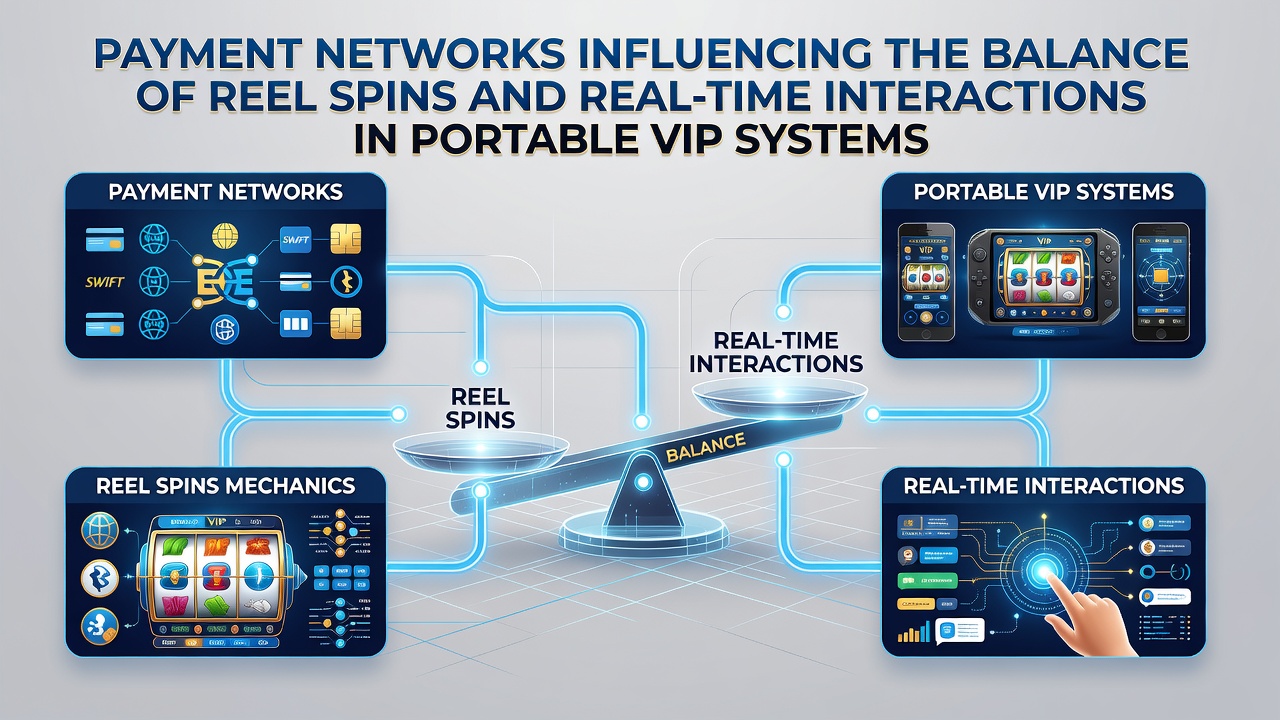
Live dealer suites require immediate balance updates to support side bets, tip functions, and table changes. Payment networks that push balance notifications within one second enable dealers to acknowledge player actions without verbal confirmation delays. In contrast, networks relying on batch processing create visible lags where a player’s increased bet appears only after the next card is dealt. Industry reports compiled by the Australian Communications and Media Authority highlight that VIP users on low-latency rails maintain longer continuous dealer sessions, averaging 42 minutes versus 31 minutes on standard rails during the first half of 2026.
Security protocols embedded in payment networks also affect interaction fluidity. Multi-factor authentication steps triggered mid-session force temporary table pauses, shifting focus back to the reel lobby until verification completes. Those who’ve studied transaction logs observe that biometric-linked wallets reduce these interruptions by 60 percent compared with SMS-based checks, preserving the flow of real-time conversations between players and dealers.
Regional Payment Preferences and Platform Adaptations
Different markets favor distinct payment rails that shape how developers configure mobile VIP features. In regions where digital wallets dominate, platforms preload spin queues and dealer chat buffers to match near-instant settlements. Where bank transfers remain common, developers insert grace periods that allow partial reel sequences to complete before requiring reauthorization. Figures released by the Victorian Commission for Gambling and Liquor Regulation demonstrate that these adaptations produce consistent session metrics once payment preferences are accounted for, regardless of geographic location.
Cross-border VIP users encounter additional variables when roaming networks switch currencies or apply dynamic fees. Automatic conversion tools integrated into certain payment apps maintain balance parity, yet conversion delays of three to four seconds still register on live tables as brief freezes. Observers tracking these patterns during July 2026 note that platforms offering multi-currency VIP wallets experience fewer drop-offs during international sessions.