Payment Channel Preferences Highlight Pathways to Integrated Reward Systems in Remote Gaming Setups
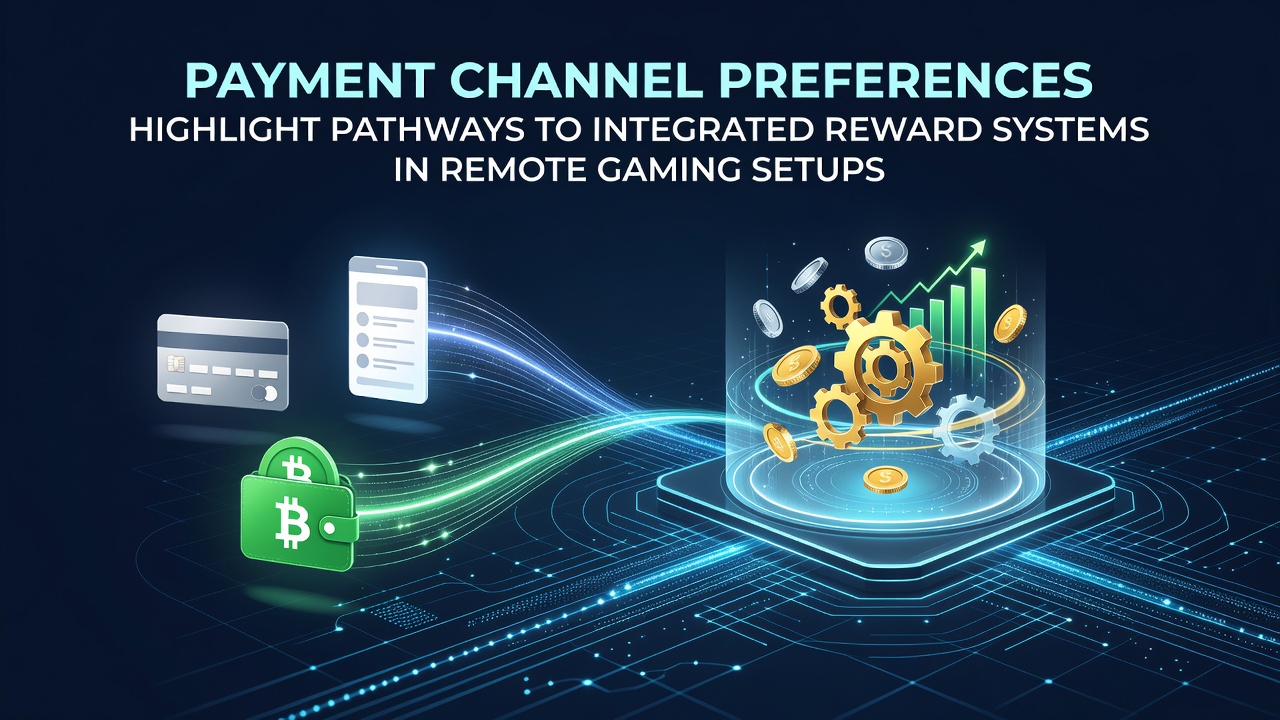
Payment channels in remote gaming have evolved into structured systems that connect transaction methods directly to player reward mechanisms, and observers note this integration shapes how operators design loyalty features across mobile platforms. Data from multiple regions shows preferences for digital wallets and instant transfer options rising steadily through early 2026, while credit card usage holds steady in certain markets. These patterns create pathways where deposit speed influences bonus eligibility and point accumulation rates.
Current Trends in Payment Channel Selection
Players in remote setups gravitate toward e-wallets because processing times drop to seconds rather than days, and this speed allows reward systems to trigger immediately upon confirmation. According to figures released by the Alcohol and Gaming Commission of Ontario, wallet-based deposits accounted for over half of all remote transactions logged in the first quarter of 2026. Bank transfers remain common for larger sums, yet they introduce delays that separate the deposit action from reward activation. Cryptocurrency options appear in select jurisdictions where regulations permit, and they offer anonymity alongside rapid settlement that aligns with tiered loyalty tracking.
June 2026 reports from the Singapore Casino Regulatory Authority highlighted similar shifts, with operators noting that integrated dashboards now display both balance updates and reward progress in a single view after each transaction completes. This consolidation reduces friction and encourages repeated engagement through seamless point crediting.
How Preferences Shape Reward Integration
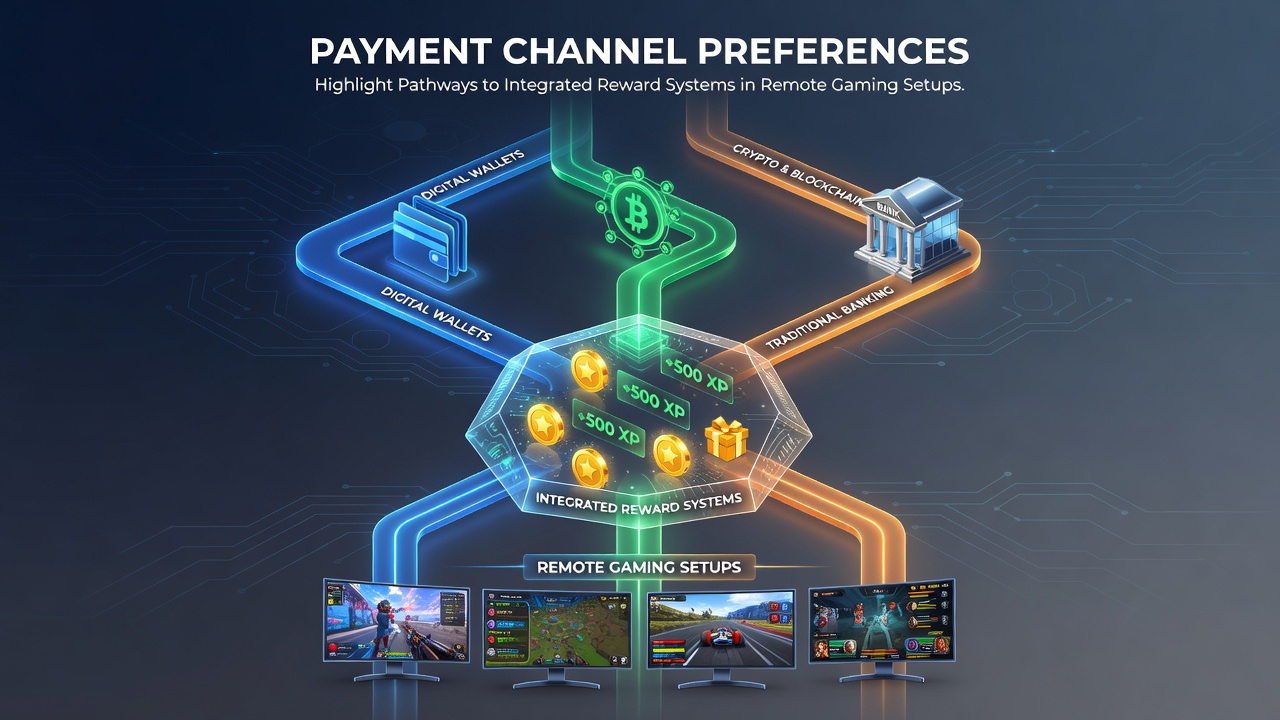
Operators build reward systems around the most popular channels because transaction data feeds directly into algorithms that calculate bonuses and loyalty tiers. When a player selects an e-wallet, the system recognizes the method and applies multipliers or instant cashback without manual intervention. Research compiled by the European Gaming and Betting Association indicates that such automated linkages increase session lengths by connecting payment confirmation to progressive reward unlocks.
Take one platform that adjusted its architecture in late 2025 to prioritize wallet preferences. The change resulted in reward redemptions rising because points became available for use within the same minute as the deposit cleared. Those who studied the update observed that slower channels like wire transfers retained separate reward tracks with lower multipliers, reflecting the added verification steps required.
Regional Variations and Data Patterns
North American markets show stronger adoption of prepaid cards for reward-linked play, whereas European setups favor direct bank integrations that feed into centralized loyalty databases. Australian operators, guided by frameworks from the Australian Communications and Media Authority, report growing crypto usage among younger demographics, with reward systems now including dedicated token conversions that maintain parity with fiat-based points. These differences create tailored pathways where operators customize integration based on dominant local preferences rather than applying uniform rules.
Evidence suggests that cross-border platforms monitor these patterns monthly to refine their reward engines. When a channel gains traction in one region, similar adjustments appear elsewhere within weeks because the underlying software allows modular updates to transaction-reward mappings.
Technical Pathways Behind the Integration
Modern remote gaming platforms rely on API connections between payment processors and loyalty management software, and this architecture enables real-time data exchange. A deposit via a preferred channel updates both the account balance and the reward ledger simultaneously, eliminating separate confirmation steps that once delayed point awards. Studies from university-affiliated gaming research centers have documented how these connections reduce error rates in reward calculations because fewer manual handoffs occur between systems.
Security protocols also adapt to channel preferences, with multi-factor authentication applied more rigorously to slower methods that carry higher reversal risks. Faster channels benefit from streamlined verification that still satisfies regulatory checks, allowing reward pathways to remain active without interruption.
Future Developments in Channel-Reward Linkages
Industry reports project continued refinement of these systems through the remainder of 2026, with operators testing predictive models that suggest reward incentives based on historical channel usage. Such models aim to guide players toward methods that align with both operational efficiency and player retention goals. Data indicates that platforms experimenting with these predictions achieve higher integration rates between payments and ongoing loyalty benefits.
Conclusion
Payment channel preferences continue to define the structure of reward systems in remote gaming because transaction characteristics determine how quickly and effectively loyalty features activate. Regional data from regulatory bodies and industry associations demonstrates consistent patterns where speed and convenience drive integration choices, and technical advancements support seamless connections between deposits and reward tracking. These developments maintain objective alignment between player behavior and operator system design across multiple markets.