Mapping Monetary Routes to Mega Wins: Investigating Payment Influences on Slot and Table Prize Structures
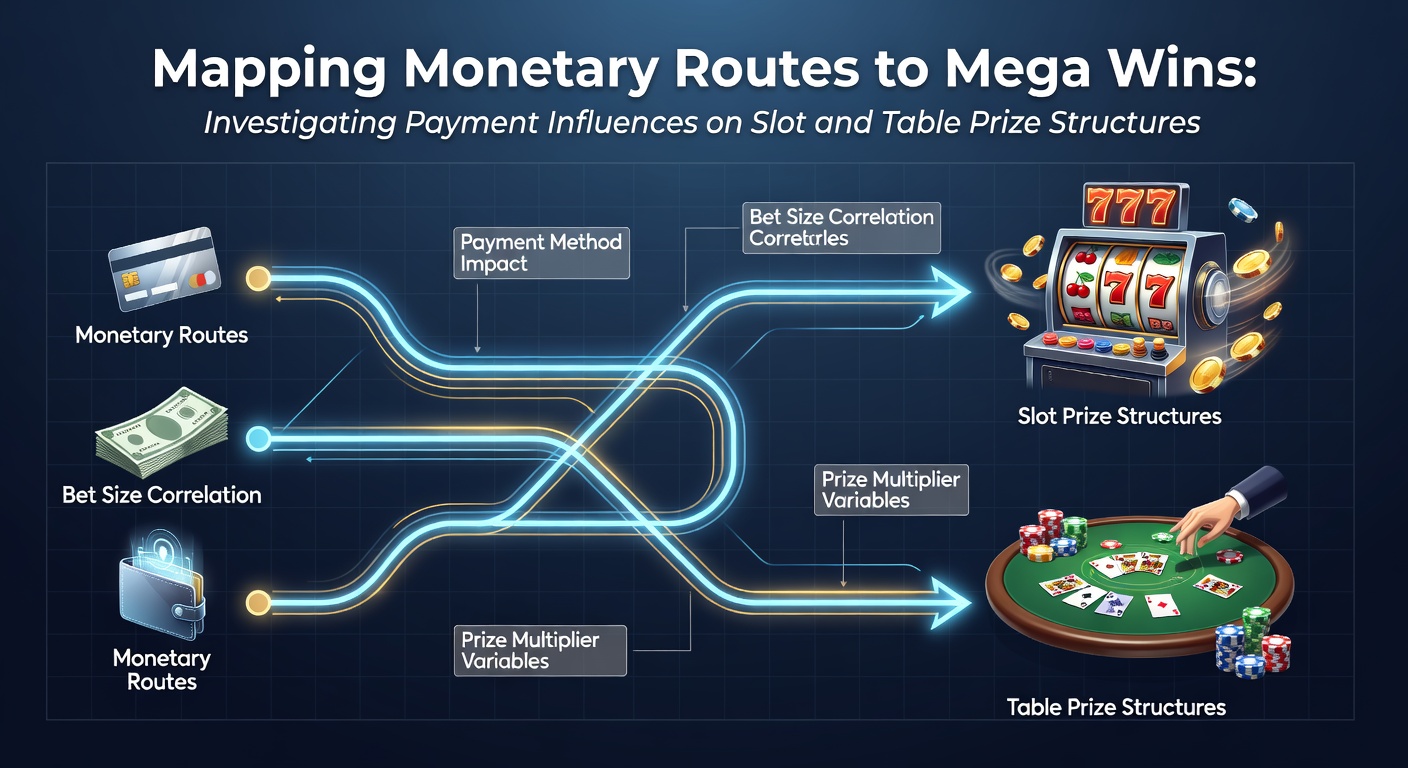 Payment processing channels shape prize structures across slots and table games through fees, settlement speeds, and regulatory compliance costs that operators factor into their models. Transaction data from multiple jurisdictions shows how different methods, ranging from credit cards to digital wallets and bank transfers, carry varying overheads that influence jackpot seeding, return-to-player percentages, and progressive contributions. Regulatory filings indicate these routes affect both the frequency and size of payouts without altering core game mathematics.
Payment Channels and Their Direct Costs
Operators absorb processing fees that typically range between 1.5 and 4 percent depending on the method and region, according to aggregated industry reports compiled by state regulators. Credit card transactions often incur the higher end of that spectrum while e-wallets and direct bank transfers frequently land lower, allowing operators to allocate marginal savings toward prize pools or marketing. Data from the Nevada Gaming Control Board reveals that venues tracking these differentials adjust progressive slot contributions in line with the dominant payment mix used by players at each property.
Settlement time also matters because delayed funds tie up working capital that might otherwise support larger daily jackpots or table game promotions. Faster methods reduce float requirements and enable quicker reinvestment into prize structures, a pattern observers have tracked across multiple casino floors since electronic payments became dominant.
Slot Prize Structures Under Payment Influence
Slots rely heavily on progressive meters fed by a percentage of each wager, and payment-related costs can indirectly shift how much operators contribute to those meters versus retaining for overhead. When a venue processes a high volume of costlier transactions, analysts note slight reductions in the rate at which certain progressives grow, though base game RTP remains fixed by regulation. Studies from research institutions such as the University of Nevada, Las Vegas Center for Gaming Research have examined these patterns through anonymized transaction logs, finding measurable differences in average jackpot sizes correlated with the share of premium card usage versus lower-fee alternatives.
Regional variations appear as well. Venues in markets with stricter interchange fee caps tend to maintain steadier progressive growth rates compared with areas where operators shoulder more variable costs. These differences emerge most clearly in multi-site operator reports that segment performance by payment channel.
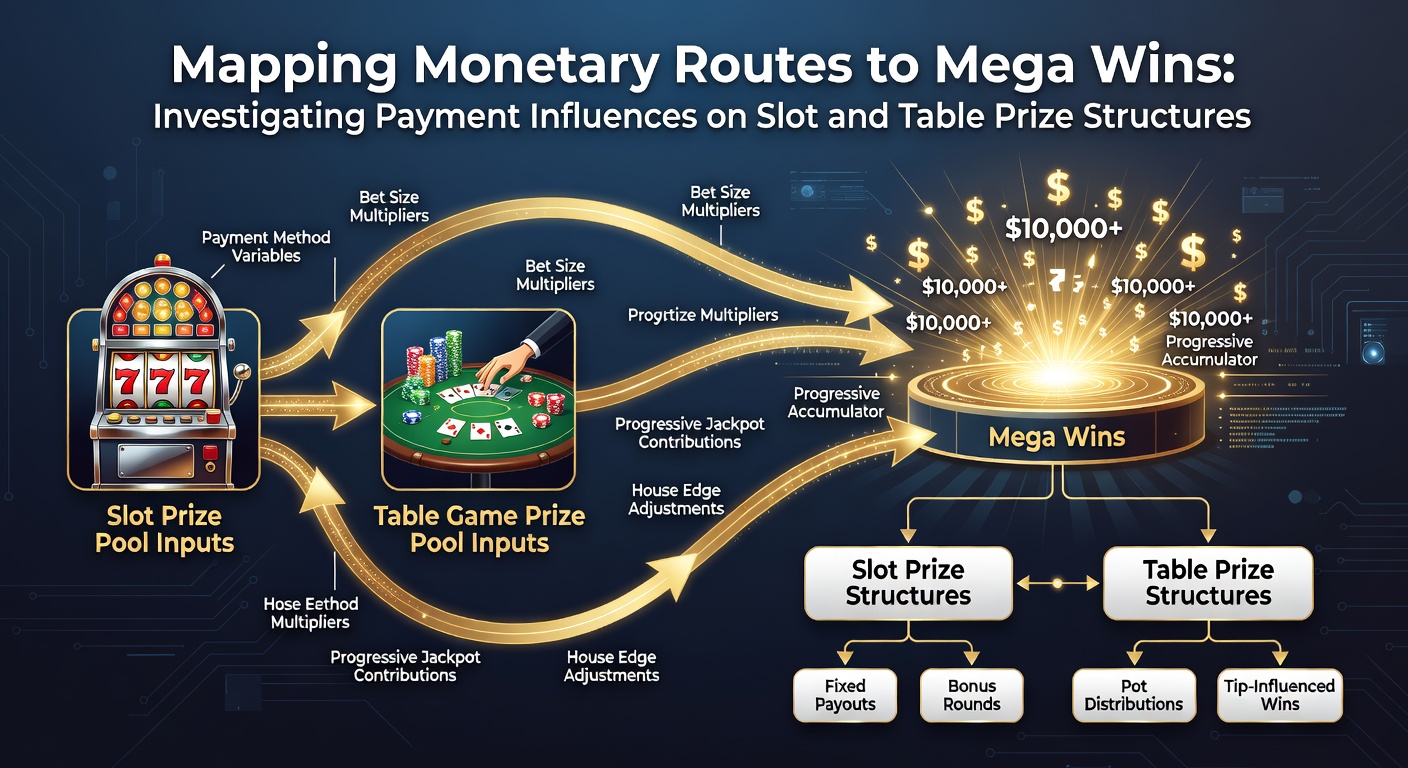
Table Game Prize Pools and Transaction Dynamics
Table games present a different profile because prize structures often involve fixed payouts alongside promotional giveaways or tournament overlays funded partly from operational margins. Higher processing costs on certain deposit methods can compress the budget available for these overlays, leading operators to favor payment channels that minimize friction. Figures from the New Jersey Division of Gaming Enforcement show that properties with diversified payment options maintain more consistent promotional calendars for blackjack and roulette events, while those concentrated on higher-fee methods periodically scale back overlay amounts during peak cost periods.
Live dealer environments add another layer since session length and betting volume interact with payment settlement cycles. Faster-cleared deposits allow players to extend play without interruption, which in turn feeds rake or commission streams that support dealer-tip pools and occasional jackpot features tied to table games.
Regulatory Oversight and Emerging Patterns
Regulators in multiple jurisdictions require operators to report payment-related expenses separately from gaming revenue, creating datasets that researchers use to map correlations between transaction costs and prize outcomes. These filings demonstrate that while no direct causal link exists between a single payment method and any individual win, aggregate patterns influence how prize budgets are distributed across game types. Canadian provincial gaming authorities have published similar breakdowns, highlighting how e-wallet adoption correlates with steadier prize pool contributions in slots compared with credit-heavy markets.
Operators respond by steering players toward lower-cost channels through incentives that do not alter game odds, such as deposit bonuses tied to specific methods. This practice appears consistently in monthly compliance summaries filed across regulated markets.
Conclusion
Payment routes function as an under-the-surface variable that shapes the scale and distribution of slot and table prizes through cost structures and cash-flow timing. Regulatory data across jurisdictions confirms these influences operate at the aggregate level rather than dictating individual outcomes, while industry analyses continue to track how evolving payment technologies may further adjust prize dynamics in coming cycles. Observers note that continued diversification of transaction options tends to stabilize contribution rates to progressive and promotional pools, providing a measurable buffer against fee volatility.