Decoding Portable Platform Algorithms Shaping Progressive Prize Distributions Across Tiered Table Environments

Portable platforms have adopted layered algorithms that manage progressive prize pools in tiered table environments, where players move through levels based on activity metrics and contribution rates. These systems connect mobile sessions to centralized jackpot mechanisms, and data from regulatory filings shows that contributions from lower tiers feed into higher pools while maintaining separate distribution rules for each level.
Core Mechanics of Algorithmic Distribution
Algorithms track real-time inputs from portable devices, including wager sizes, session duration, and tier status, then apply weighted formulas to allocate portions of each bet into progressive reserves. Researchers at institutions studying gaming systems note that seed values reset after payouts while accrual rates scale with player tiers, creating distinct pathways for prize growth across bronze, silver, and gold table categories. This structure allows simultaneous accumulation in multiple pools, and operators adjust parameters quarterly to align with regional compliance standards.
One documented approach uses randomized selection combined with tier multipliers, where higher-level participants receive elevated odds in draws without altering base contribution percentages. Data released in July 2026 by oversight bodies in multiple jurisdictions indicates that such multipliers increased average payout frequencies in mobile table environments by measurable margins compared to earlier static models.
Integration With Tiered Table Structures
Tier progression occurs through cumulative point systems that feed directly into the same algorithmic framework governing prize distribution. Players advancing tiers unlock modified weighting factors that influence both eligibility and share calculations during jackpot events. Observers tracking these platforms report that the transition between tiers triggers immediate recalculation of future contribution impacts, ensuring continuity across sessions on portable devices.
Case examples from operational deployments illustrate how bronze-tier contributions primarily build lower pools, while silver and gold inputs accelerate top-tier jackpots through compounded multipliers. These transitions maintain separation between environments yet allow cross-tier visibility for participants monitoring pool sizes via app dashboards.
Data Patterns and Platform Adaptations
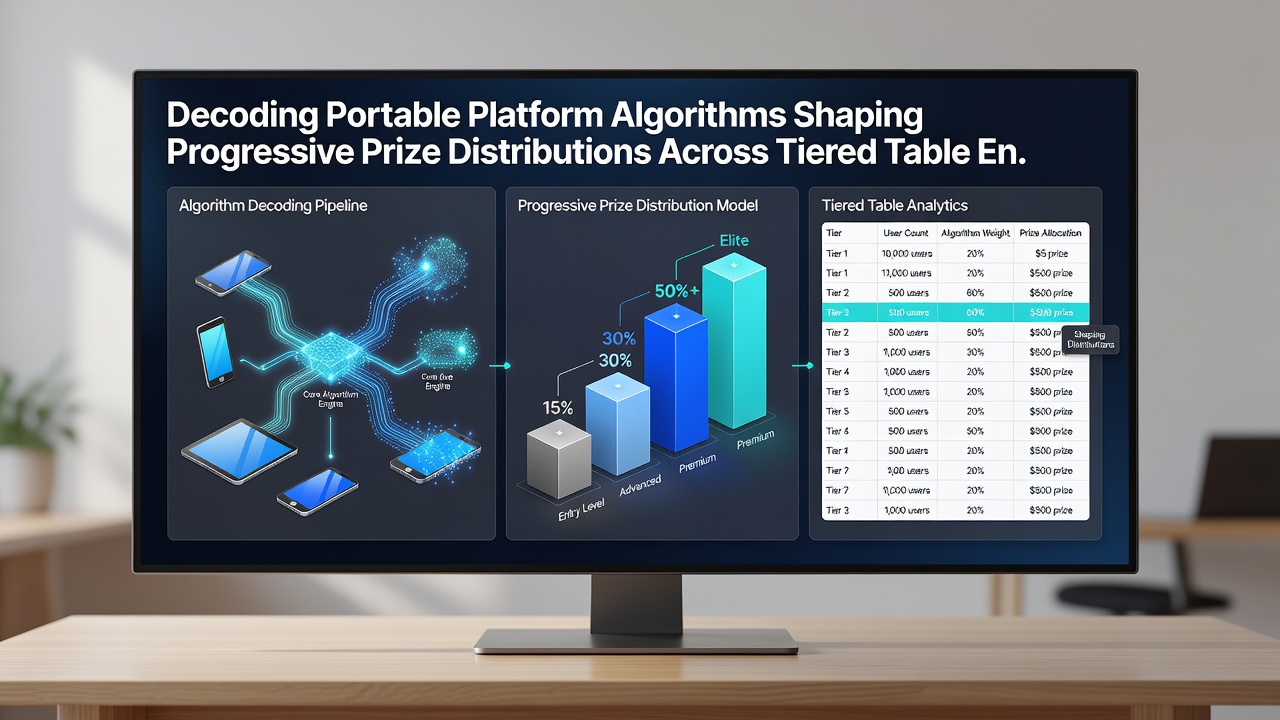
Analysis of transaction logs reveals recurring patterns where peak mobile usage periods correlate with accelerated pool growth rates, particularly when tiered tables incorporate live dealer feeds. Platforms respond by deploying adaptive algorithms that balance load across servers while preserving distribution integrity. According to figures from the Nevada Gaming Control Board, mobile progressive systems accounted for expanding shares of total table revenue during the first half of 2026.
Further examination by academic groups shows that algorithms incorporate geographic and temporal variables to modulate prize release timing, preventing concentration of payouts in single regions. This approach distributes wins more evenly across portable user bases while complying with varying international standards.
Regulatory Oversight and Transparency Measures
Regulatory frameworks require operators to submit algorithmic documentation for review, including source code segments related to prize weighting and tier calculations. In July 2026, updated reporting protocols in several Asian markets emphasized verification of mobile-specific distribution fairness, building on earlier standards established by the Casino Regulatory Authority of Singapore. These requirements focus on audit trails that log every contribution event and payout decision without exposing proprietary code to public access.
Industry associations have published guidelines encouraging standardized testing protocols for portable environments, and research papers from university gaming studies programs have examined how tiered structures affect long-term prize equity across different player demographics.
Conclusion
Portable platform algorithms continue evolving to handle the complexities of progressive prizes within tiered table settings, supported by ongoing data collection and regulatory input. The interplay between contribution mechanics, tier advancement, and distribution rules shapes outcomes that remain verifiable through established oversight processes. As platforms expand, documentation from bodies such as the Nevada Gaming Control Board and academic research centers provides reference points for understanding these systems.