Decoding Currency Flow Patterns Behind Tiered Reward Unlocks in Cross-Platform Chance Systems

Cross-platform chance systems track player activity across mobile apps and desktop sites through unified accounts that record every wager and deposit in real time. These platforms convert transaction data into loyalty points that unlock tiered rewards such as bonus credits, free spins, and access to exclusive tables. Currency flows determine how quickly participants advance because each deposit type and bet size contributes differently to point accumulation rates.
Core Mechanics of Tiered Reward Systems
Operators structure tiers around cumulative wagering volumes and deposit frequencies rather than single transactions. Basic levels require modest activity while higher tiers demand sustained patterns of larger wagers across multiple sessions. Data from industry reports shows that point multipliers often increase once monthly volume crosses specific thresholds, creating incentives for consistent participation on both portable devices and desktop interfaces.
Payment channels influence these progressions because certain methods receive accelerated point credits. Electronic wallets and bank transfers process faster than traditional cards in many systems, which means funds reach playable balances sooner and contribute to unlock criteria without delay. Research from academic institutions indicates that platforms using instant settlement options record higher average tier advancement speeds compared with those relying on slower clearing times.
Mapping Transaction Networks and Point Conversion
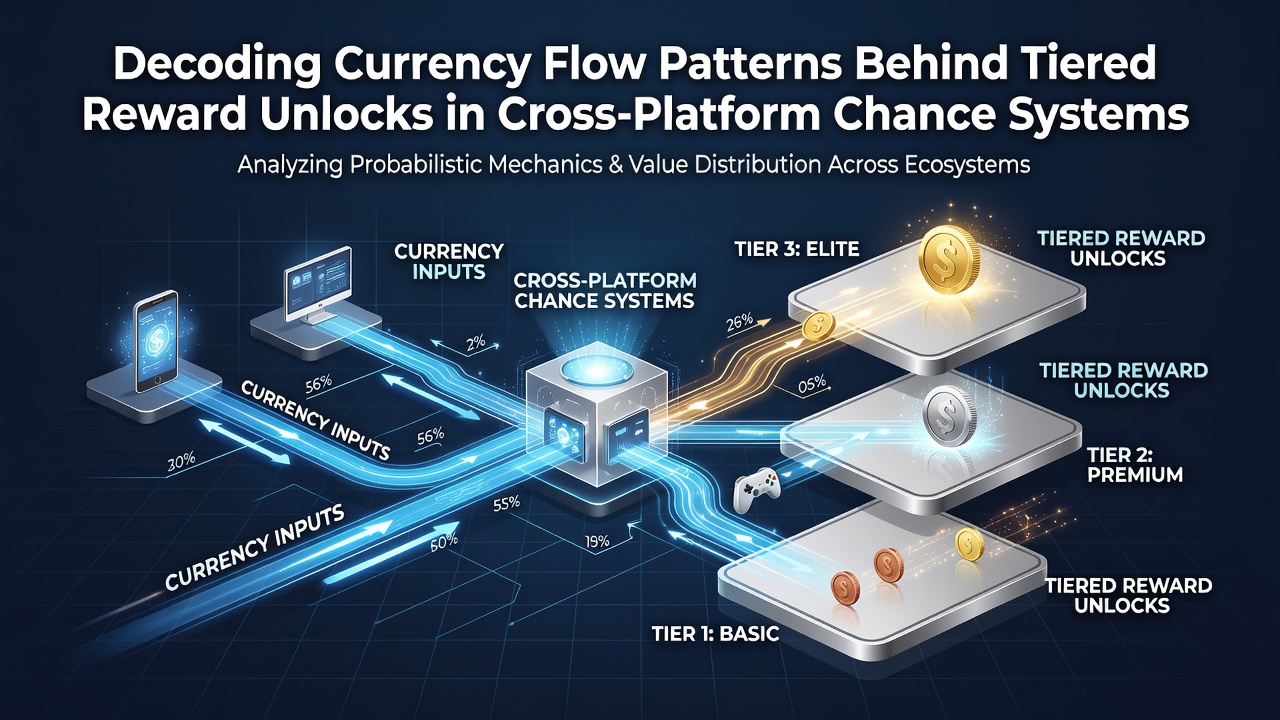
Currency movement begins at deposit, moves through game selections, and ends at reward qualification. Each step generates metadata that algorithms analyze to assign points. For example, slot wagers typically convert at fixed ratios while table game activity may receive variable multipliers based on game type and stake level. Cross-platform synchronization ensures that activity started on a mobile app registers immediately on desktop accounts, preventing gaps in tracking.
July 2026 regulatory filings from several jurisdictions highlighted increased scrutiny on how operators disclose these conversion rates to participants. Authorities in Canada and Australia required clearer statements about point values and expiration rules, which prompted some platforms to adjust their reward structures mid-year. Observers note that transparent mapping of flows helps maintain compliance while preserving player engagement metrics.
Regional Variations in Flow Patterns
European operators often integrate regional banking preferences into their systems, giving priority to local payment rails that reduce processing fees and speed point allocation. Data compiled by the European Gaming and Betting Association reveals that platforms favoring these methods achieve faster tier completions among users who switch between devices frequently. In contrast, North American systems place greater emphasis on cryptocurrency options in certain markets, where transaction volumes directly correlate with accelerated unlocks in high-tier categories.
Studies conducted at university research centers have examined how seasonal spending patterns affect reward trajectories. Summer months frequently show spikes in mobile activity that translate into quicker progression through mid-level tiers, while desktop sessions dominate during other periods. These shifts demonstrate that device preference and payment timing interact to shape overall currency flow efficiency.
Technical Infrastructure Supporting Seamless Tracking
Backend systems rely on real-time APIs to consolidate data from multiple front-end interfaces. When a player deposits via mobile and continues play on desktop, the unified ledger updates without manual intervention. This architecture reduces errors in point calculation and ensures tier status reflects actual currency movement rather than isolated device activity. Industry reports from the Asia-Pacific region indicate that platforms investing in robust synchronization tools maintain lower dispute rates over reward eligibility.
Security protocols also play a role because verified transactions receive priority processing. Multi-factor authentication and device fingerprinting help confirm legitimate flows, which in turn supports accurate tier assignments. Platforms that implement these measures report fewer interruptions in reward delivery across borders.
Conclusion
Currency flow patterns in tiered reward systems depend on deposit speed, wager type, device continuity, and regulatory transparency requirements. Cross-platform chance operators continue to refine conversion algorithms to balance engagement with compliance demands observed through mid-2026. Participants who understand these mechanics can align their transaction habits with platform rules to reach desired reward levels more efficiently.