Currency Volatility Patterns Reshaping Reward Pathways in Cross-Border Live Session Networks
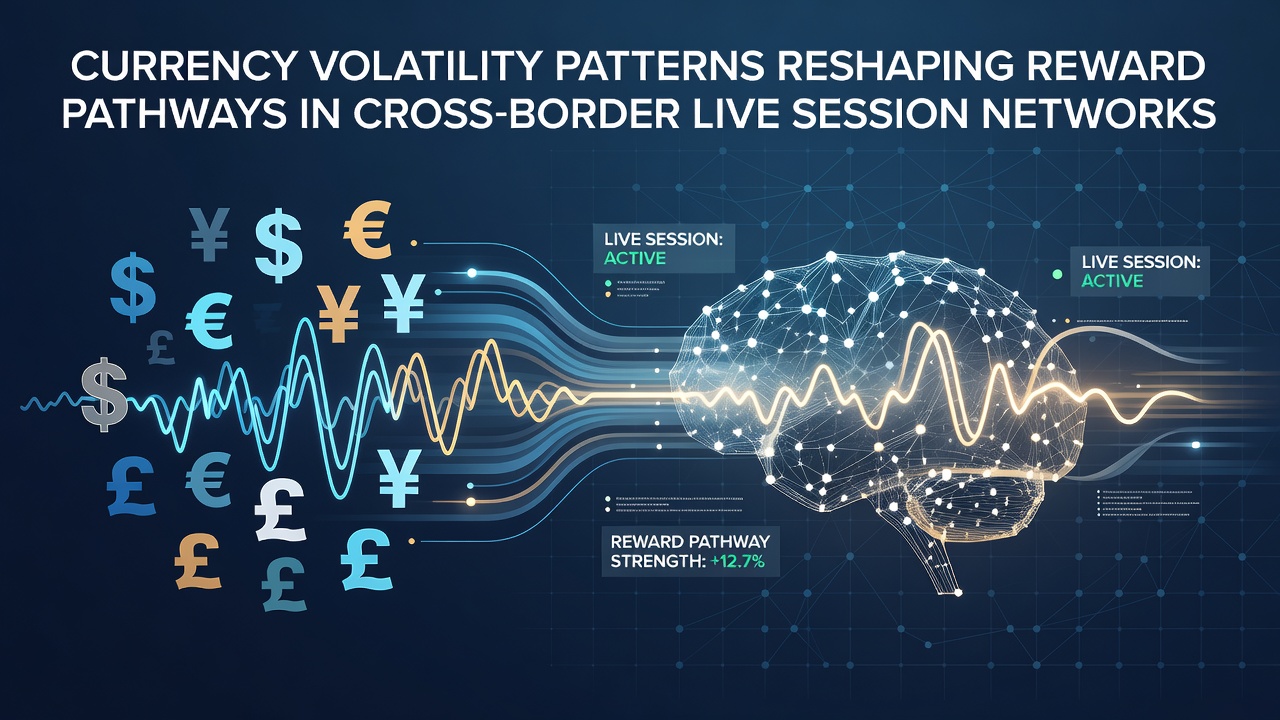
Global currency markets have displayed pronounced volatility throughout 2025 and into 2026, with exchange rate swings directly affecting how operators calculate and deliver rewards in live dealer sessions that span multiple jurisdictions. These fluctuations alter the real value of bonuses, progressive contributions, and payout structures when players participate from regions with differing monetary units. Data compiled by international financial institutions shows that major pairs such as EUR/USD and AUD/JPY experienced average daily movements exceeding 0.8 percent during the first five months of 2026, a level that forces rapid recalibrations inside cross-border platforms.
Observed Patterns in Exchange Rate Behavior
Researchers tracking trading data note that volatility clusters often align with policy announcements from central banks in Asia, Europe, and North America. When the European Central Bank signals adjustments to deposit rates, for instance, live session networks serving European and Asian participants must update conversion engines within hours to maintain consistent reward values. The Bank for International Settlements has published reports documenting how these rate shifts propagate through digital payment rails used by gaming operators, creating temporary mismatches between displayed prize pools and actual credited amounts until systems reconcile.
Observers have identified recurring seasonal spikes, particularly around quarter-end reporting periods when corporate hedging activity intensifies. During these windows, live session providers that aggregate traffic from Australia, Canada, and Southeast Asia report increased requests for currency-locked reward options. These options allow participants to fix exchange rates at session start, shielding accumulated points and bonus credits from subsequent market moves.
Impact on Reward Calculation Mechanisms
Operators maintain dynamic pricing engines that convert local currency stakes into a base unit before determining eligibility for live dealer rewards. When volatility accelerates, these engines apply wider spreads to protect margins, which in turn modifies the effective return players experience. Studies from academic finance departments indicate that a 2 percent intraday swing in a major currency pair can shift the perceived value of a progressive jackpot contribution by several percentage points for users located outside the base currency zone.
Payment processors integrated with these networks now embed real-time volatility buffers. The buffers trigger automatic reviews of pending redemptions whenever predefined thresholds are crossed, a practice that has become standard among platforms handling traffic from more than five currency jurisdictions. Figures released by the Australian Transaction Reports and Analysis Centre reveal elevated monitoring of cross-border gaming transactions during high-volatility periods, underscoring the regulatory attention these adjustments attract.
Regional Variations in Network Responses
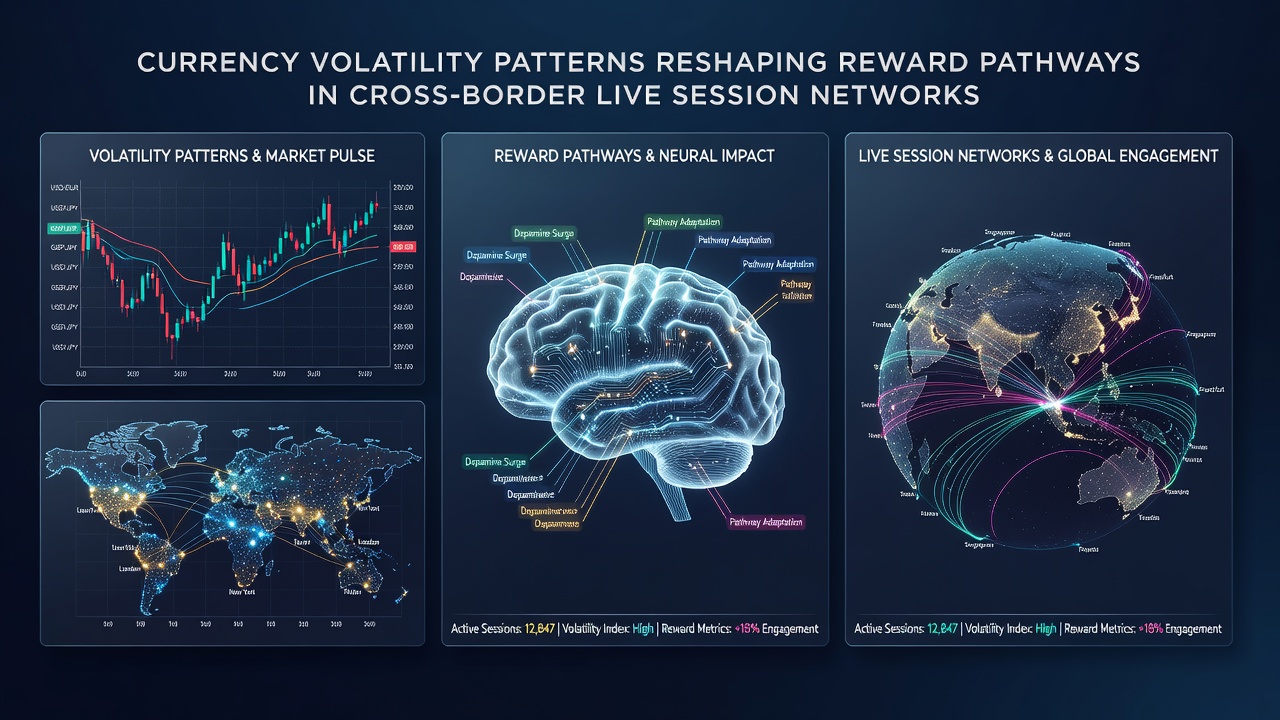
Platforms focused on European and Latin American traffic have adopted tiered reward structures that automatically segment players by primary currency exposure. This segmentation allows operators to hedge portions of their liability books in advance, reducing the frequency of manual interventions during volatile trading sessions. In contrast, networks serving North American and Asian markets continue to rely more heavily on post-session reconciliation, a method that can delay final reward postings by up to 24 hours when exchange rates move sharply.
June 2026 brought additional complexity when several Asian central banks coordinated statements on capital flow measures. Live session operators quickly introduced temporary caps on cross-currency bonus conversions to manage exposure, a step that affected reward pathways for players in Singapore, Malaysia, and the Philippines simultaneously. Regulatory filings submitted to the Philippine Amusement and Gaming Corporation document the scale of these adjustments across multiple licensed platforms.
Technical Adaptations and Data Infrastructure
Modern live session networks employ distributed ledger elements to record stake conversions at the moment each round concludes. This timestamping reduces disputes arising from subsequent rate changes and provides audit trails for compliance teams. Developers have also integrated machine learning models that forecast short-term volatility using order book data from major forex venues, enabling preemptive scaling of reward multipliers before market moves materialize.
Those who have examined transaction logs across multiple operators report that the volume of currency-hedged sessions rose 27 percent year-over-year through May 2026. The increase reflects both player preference for stability and operator efforts to stabilize their own cost structures amid unpredictable global flows.
Conclusion
Currency volatility continues to drive structural changes in how cross-border live session networks define, calculate, and distribute rewards. The patterns documented through mid-2026 demonstrate that operators, regulators, and payment providers must maintain synchronized systems capable of responding within narrow timeframes. As exchange rate movements remain a persistent feature of international finance, the infrastructure supporting these networks will likely incorporate further layers of real-time adjustment and risk management.