Currency Route Impacts on Variety in Portable Gaming Choices

Data from multiple regulatory bodies indicates that payment processing pathways directly shape the range of games accessible through mobile platforms, and analysts tracking transaction networks have documented these patterns across several jurisdictions since early 2025.
Payment Pathways and Game Availability Patterns
Observers tracking mobile entertainment systems note that credit card routes often unlock broader selections of progressive jackpot slots and interactive table formats, whereas e-wallet channels frequently restrict users to standard reel games or limited live dealer sessions due to processing agreements between providers and operators. Studies from the New Jersey Division of Gaming Enforcement reveal that transaction speed and fee structures correlate with the inclusion of specialized formats such as multi-hand poker variants and themed video slots on portable devices.
Bank transfer methods, by contrast, tend to support access to high-stakes dealer experiences because these routes accommodate larger single transfers without the velocity caps common in digital wallet services. Those who have examined user behavior logs across regions find that crypto-based currency routes expand options for niche reel mechanics and instant-play table games, particularly where traditional banking faces regulatory hurdles.
Regional Differences in Transaction Influences
Figures released by the Nevada Gaming Control Board show distinct variations in how currency routes affect portable gaming libraries, and operators in that state have adjusted mobile catalogs accordingly through June 2026. European data compiled by the European Gaming and Betting Association demonstrates that SEPA transfers enable wider availability of live dealer roulette and blackjack compared to card-based routes, which sometimes limit users to slot-only libraries on certain applications.
In Asia-Pacific markets, local digital payment systems create different constraints, and researchers at the University of Nevada Reno documented how these regional preferences steer development priorities for game studios targeting portable audiences. Australian transaction records indicate that POLi and similar instant bank methods open pathways to progressive prize pools and hybrid slot-table hybrids that remain inaccessible through slower international card processors.
Technological and Regulatory Factors at Play
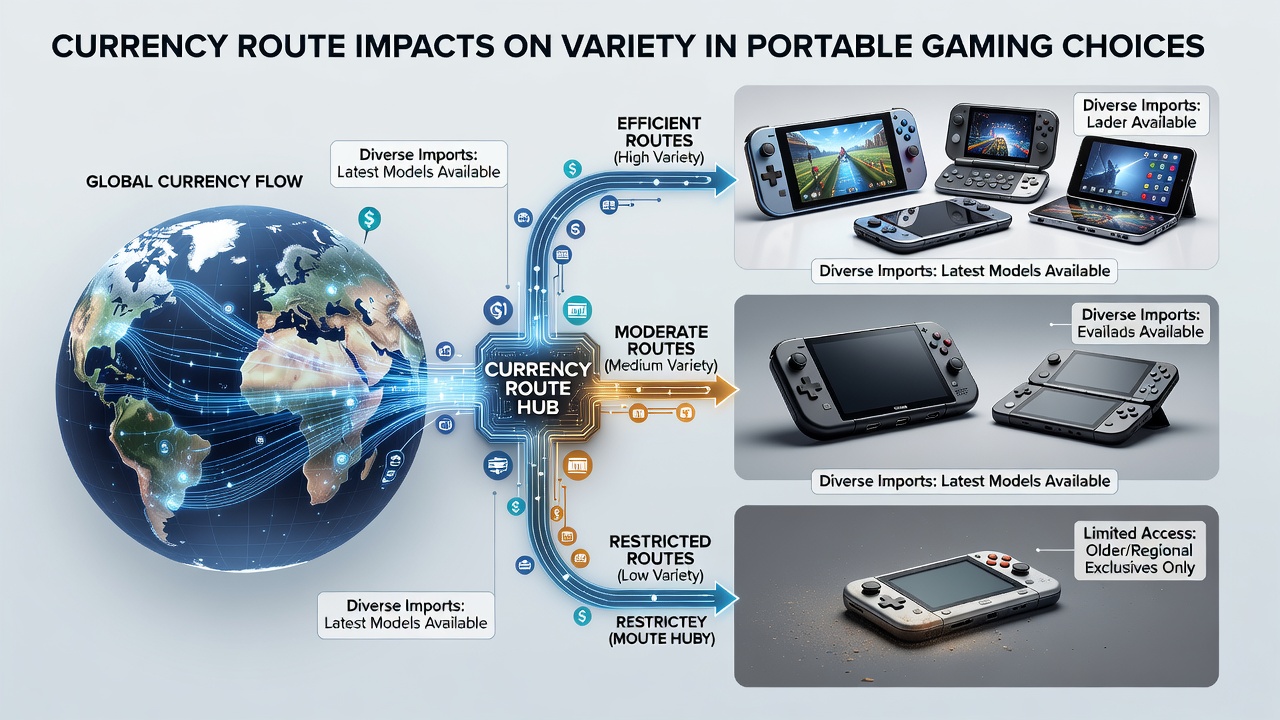
Developers respond to these currency dynamics by tailoring game portfolios to dominant payment preferences in each market, and this adaptation has accelerated with new compliance requirements implemented in several territories by mid-2026. Portable platforms that integrate multiple route options typically display expanded variety, including both high-volatility reels and low-stakes interactive sessions, while single-route applications show narrower selections.
Security protocols tied to specific payment channels also influence which titles operators promote on mobile devices, and compliance teams at major providers have noted that certain routes require additional verification steps that delay access to time-sensitive live dealer formats. Data indicates these delays reduce user engagement with interactive sessions even when the underlying games remain technically available.
Market Responses and Library Adjustments
Operators monitor route performance metrics to decide which game categories receive development resources, and this decision-making process has produced measurable shifts in portable catalogs across North America and Europe. Markets dominated by instant payment rails show higher concentrations of feature-rich video slots, whereas regions reliant on traditional banking display stronger representation of classic table game adaptations optimized for smaller screens.
Transaction volume statistics further illustrate how currency route preferences guide promotional strategies, and platforms adjust bonus structures to steer users toward payment methods that support greater game diversity. Those tracking industry reports note consistent correlations between route diversity and the breadth of available entertainment formats on portable devices through the first half of 2026.
Conclusion
Evidence across regulatory filings and academic examinations confirms that currency route characteristics exert measurable influence over the variety of games presented in portable gaming environments. Patterns documented by government agencies and research institutions demonstrate these connections persist across geographic boundaries and continue to shape operator decisions as transaction technologies evolve.