Banking Preferences and Their Surprising Connections to Game Variety on Mobile Platforms
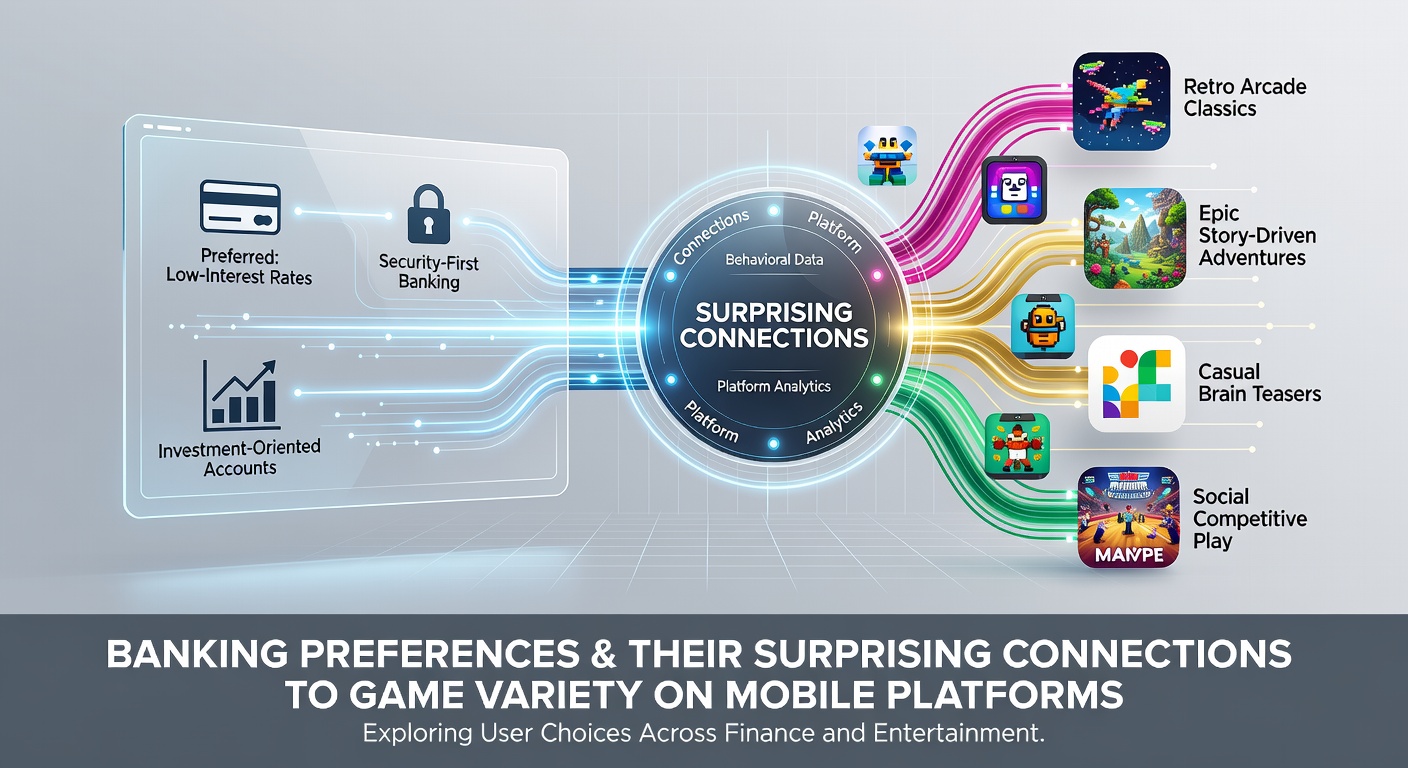
Banking preferences shape the range of games that appear on mobile casino platforms in ways that extend far beyond simple transaction speeds, and researchers tracking these patterns note clear correlations between payment method adoption and title availability across different regions.
Payment Methods Drive Content Decisions
Operators select which games to promote or restrict based on the banking tools their users favor, since each method carries distinct processing costs, regulatory requirements, and payout timelines that influence overall platform economics. Credit card transactions, for instance, often support a broad mix of slots and table games because established processors handle high volumes efficiently, while e-wallet users frequently encounter expanded live dealer options since those services settle faster and reduce chargeback risks for providers. Data from industry reports shows that platforms emphasizing instant transfers see higher uptake of progressive jackpot titles, because quicker deposits allow players to chase time-sensitive promotions tied to those games.
Those who study mobile gambling ecosystems point out that cryptocurrency preferences create another layer of variety, with many apps adding niche games like crash titles or instant-win formats once crypto wallets gain traction among their audience. These additions occur because blockchain transactions bypass traditional banking delays, freeing operators to experiment with experimental mechanics that require rapid in-and-out funding cycles. Observers note the pattern holds across multiple markets, where regions with strong crypto adoption display measurably wider arrays of skill-based and hybrid games compared to areas dominated by bank transfers.
Regional Trends Shape Mobile Offerings
European markets demonstrate how regulatory environments interact with banking habits to affect game libraries, and figures from the European Gaming and Betting Association reveal that countries with widespread SEPA instant payments host more diverse live casino sections than those reliant on slower card networks. The same data indicates that operators in these areas adjust their mobile catalogs seasonally, introducing new table variants when user deposit patterns shift toward faster methods during peak travel periods.
North American examples further illustrate the connection, where state-specific rules around payment processing lead platforms to prioritize certain slot mechanics over others. In jurisdictions that permit a wider range of digital wallets, mobile users gain access to more branded content and branded content partnerships because those payment rails support the marketing agreements behind such titles. Meanwhile, areas with stricter card restrictions often see heavier emphasis on free-to-play or social casino hybrids that require minimal financial infrastructure.
Speed, Fees, and Game Accessibility
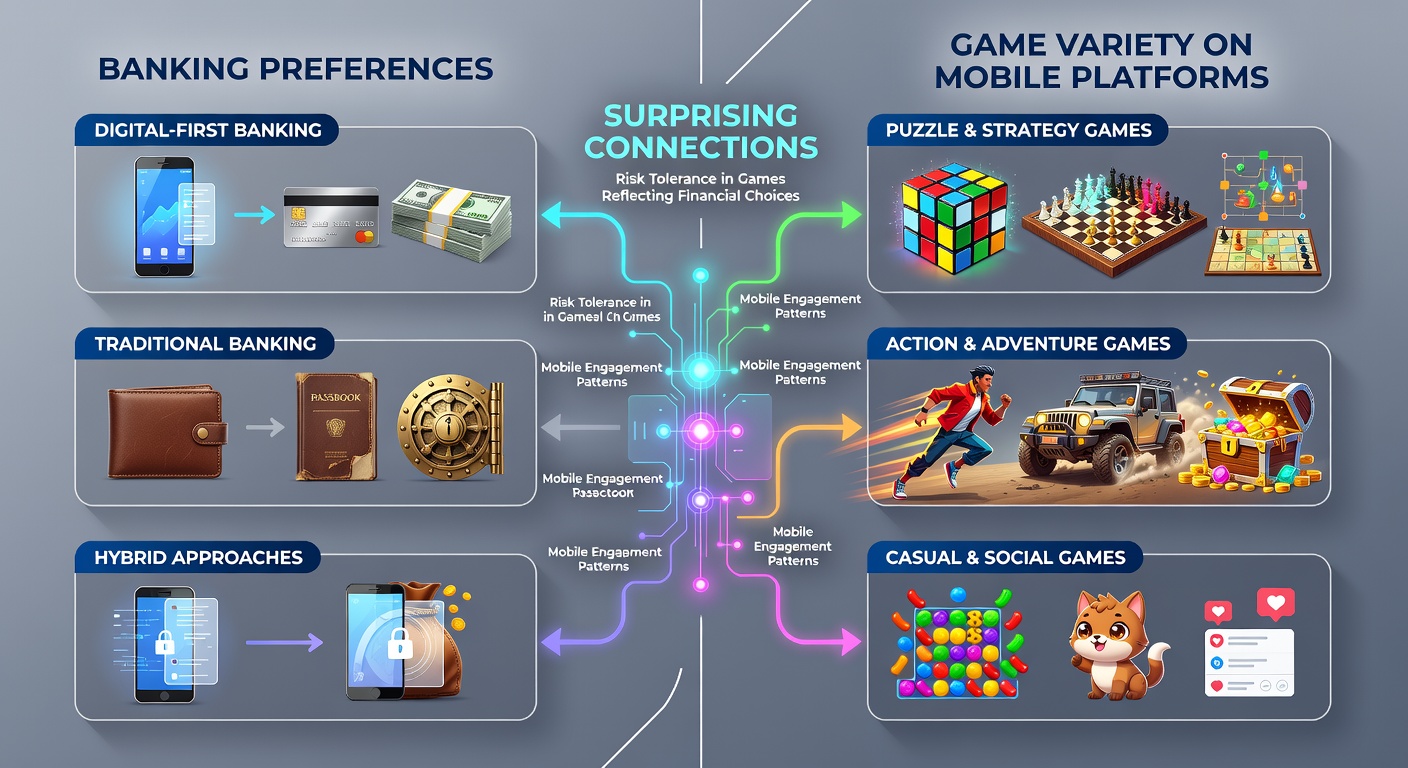
Transaction fees attached to different banking channels directly affect the minimum bet thresholds operators can sustain across game types, and analysts tracking these dynamics find that low-fee methods enable broader inclusion of high-volatility slots while higher-cost options push platforms toward lower-stake table games to maintain margins. People who monitor user behavior across apps report that deposit method choice correlates with session length, which in turn influences which game categories receive development resources from studios.
What's interesting is how payout speed preferences create feedback loops, since users who select instant withdrawal options tend to sample more live dealer formats that reward quick bankroll management. Platforms respond by stocking those sections with additional variants, including regional rule adaptations and multi-camera streams, to retain that segment. Research from academic studies on digital entertainment spending confirms that these loops strengthen when mobile operating systems update their in-app payment APIs, making certain banking routes more seamless than others.
Industry Shifts Around May 2026
Market preparations for May 2026 include several payment infrastructure upgrades across Asia-Pacific territories that stand to expand mobile game libraries further, as new real-time settlement systems come online and allow operators to test previously restricted content categories. These changes build on existing trends where banking modernization has already led to increased table game variety on handheld devices, particularly in markets that previously limited options due to settlement concerns.
Operators in those regions have begun previewing expanded catalogs that pair traditional reels with emerging formats once the updated rails activate, and preliminary testing shows users gravitate toward the new combinations when their preferred funding methods align with faster settlement promises. The pattern mirrors earlier transitions observed in other territories, where banking evolution preceded measurable growth in live-streamed and interactive titles.
Conclusion
Connections between banking preferences and mobile game variety continue to evolve as payment technologies advance and regulatory frameworks adapt, with evidence from multiple markets demonstrating that deposit and withdrawal options serve as quiet gatekeepers for the titles users ultimately encounter. Those who track these developments expect the relationship to grow more pronounced as additional regions modernize their financial rails, potentially unlocking further diversification in the games available on portable screens.